
Let’s talk about classic literature. When you hear the term, what authors come to mind? For many, it’s a familiar, predominantly white list: Dickens, Austen, Hemingway, Fitzgerald. Let me be clear: I have read most of the “classics”. If you grew up in the Midwest, one or two of the classics were pretty much required in English. Now that I’m older I’ve discovered that the one thing missing from Classic Literature Canon is the works of Black authors.
The standard literary canon was historically curated by gatekeepers who centered white voices, creating a false narrative that literary greatness was their sole domain. But what if I told you that a rich, parallel tradition of classic literature was being written all along—one that is essential, profound, and fundamentally Black?
This post is about correcting the record and expanding the very definition of a “classic” to include the masterpieces that have always belonged there.
The Foundational Voices: Writing Against Impossible Odds
Long before the 20th century, Black authors were laying the foundation for this tradition under the most brutal circumstances.
- Olaudah Equiano (c. 1745-1797), also known as Gustavus Vassa, penned The Interesting Narrative of the Life of Olaudah Equiano in 1789. His firsthand account detailed the horrors of the Middle Passage and slavery, but also held onto cherished memories of his African home. It stands as a foundational text of the slave narrative genre.
- Hannah Bond (pen name Hannah Craft) wrote The Bondwoman’s Narrative (c. 1850s), a semi-autobiographical novel that is believed to be the first by a fugitive slave woman. The sheer act of writing these works was revolutionary, as enslaved people were systematically denied literacy. Their work carries the added weight of being a profound act of resistance.
A Flourishing of Talent: The 19th and Early 20th Centuries

The end of the 19th century saw Black literature begin to flourish in new ways.
- Paul Laurence Dunbar (1872-1906) became one of the first internationally recognized Black American writers. While he authored novels like The Uncalled (1898), he was most celebrated for his poetry, such as in Lyrics of Lowly Life. It’s important to note that Dunbar, like many Black artists of his time, often navigated the difficult terrain of creating art that would be published for white audiences, even as he wrote searingly about the Black experience.
The Century of Mastery: The Harlem Renaissance and Beyond
If the earlier centuries laid the foundation, the 20th century saw Black literature erupt into a towering, undeniable presence.
- The Harlem Renaissance gifted us geniuses like Zora Neale Hurston (Their Eyes Were Watching God), Langston Hughes (poetry that defined an era), and W.E.B. Du Bois (The Souls of Black Folk).
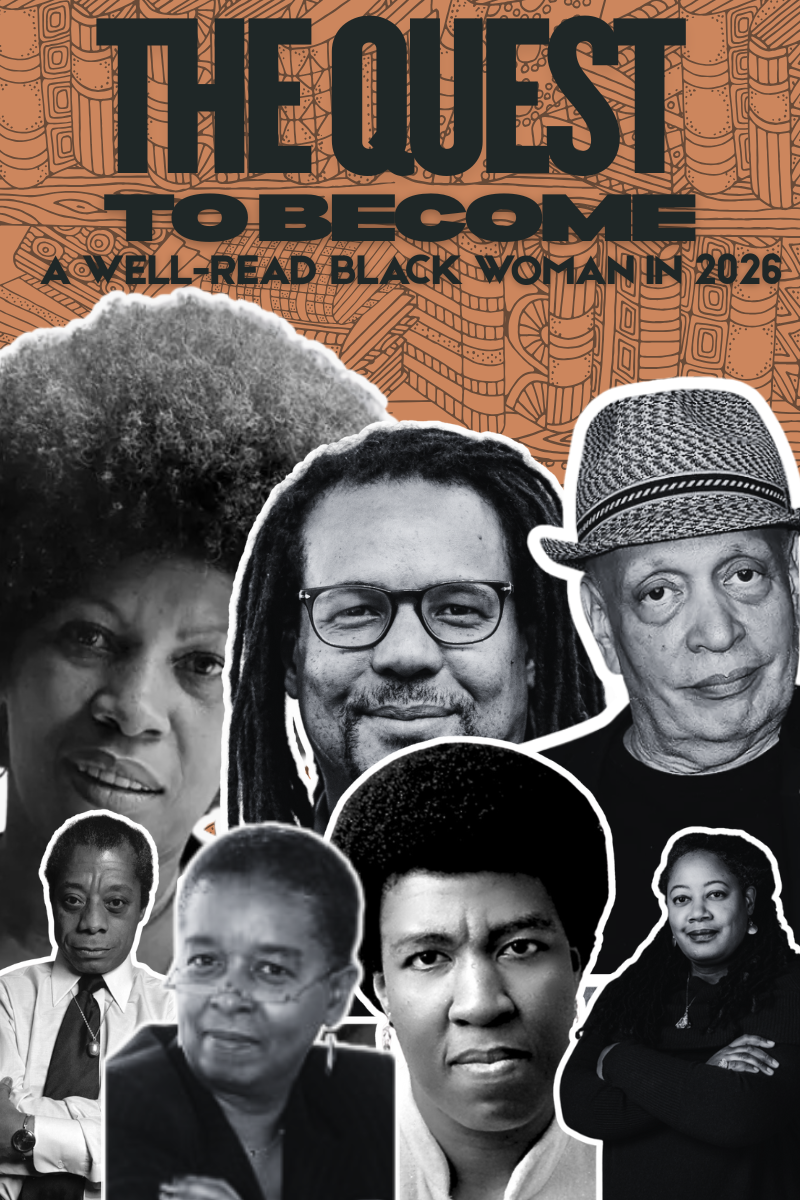
- The mid-century gave us giants who directly confronted the American conscience: Ralph Ellison(Invisible Man), Richard Wright (Native Son), and the fiercely eloquent James Baldwin (Go Tell It on the Mountain, Notes of a Native Son).
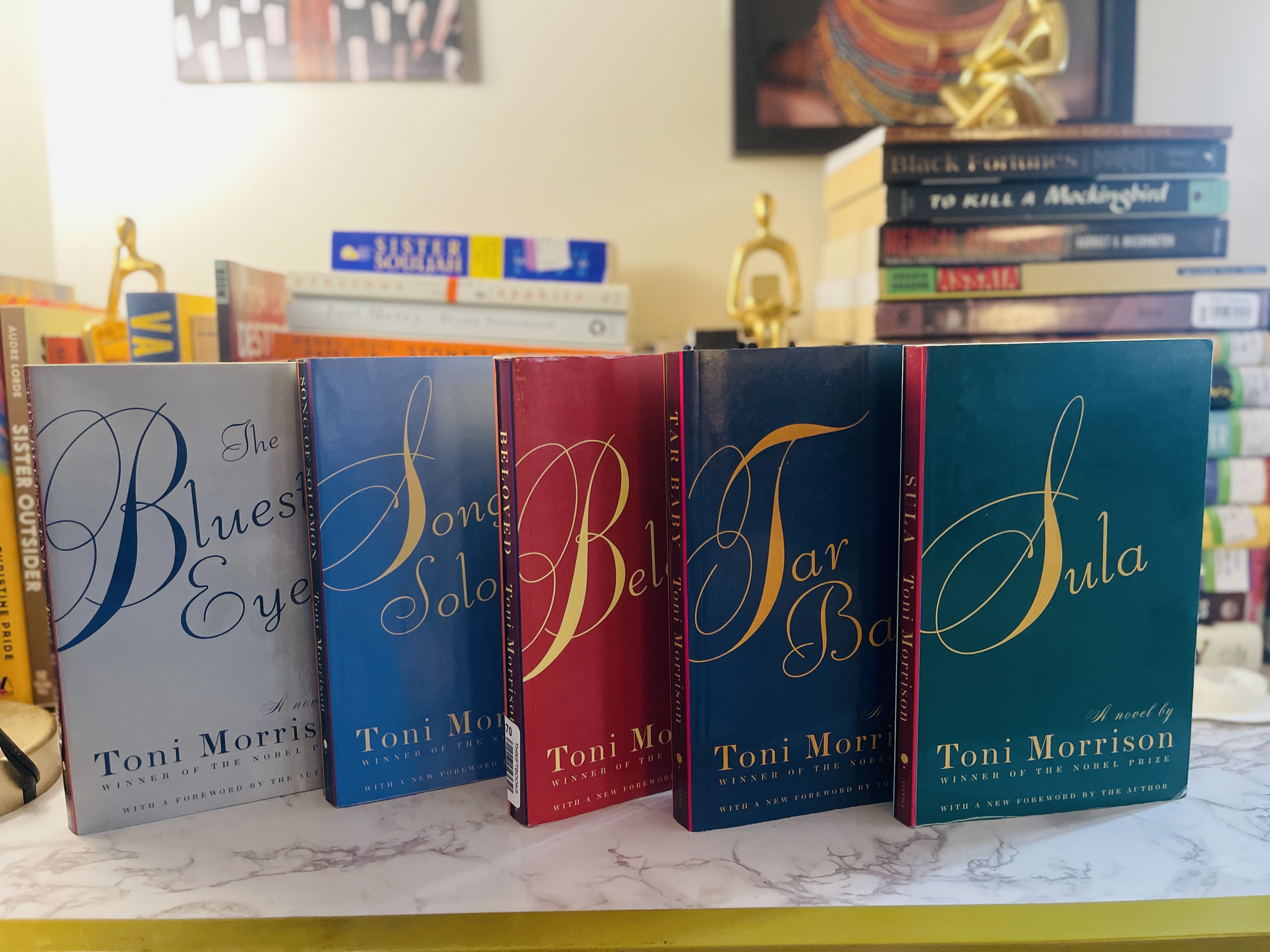
- The latter half of the century was defined by the monumental work of Toni Morrison (Beloved, Song of Solomon), whose novels exploring the ghosts of history and the complexities of love and community earned her a Nobel Prize and permanently redefined American literature.
Dismantling the Myth, One Comparison at a Time
I dare any reader to place the works of James Baldwin beside Ernest Hemingway. Both deconstructed American masculinity, but where Hemingway’s heroes often met the world with stoic silence, Baldwin’s men confronted it with searing, vulnerable eloquence, dissecting the intertwined threads of race, sexuality, and love.
Similarly, compare Toni Morrison with Jane Austen. Both are master architects of social worlds. Austen unveiled the intricate prisons of English gentility, where a woman’s fate hinged on marriage. Morrison built worlds defined by the inescapable legacy of slavery, exploring how history, community, and trauma shape the individual soul. They are two essential sides of the same literary coin: a deep critique of the societies that forged them.
The myth that classic literature is exclusively white is just that—a myth. It’s a narrative we have the power to change with every book we buy, read, and discuss. These Black classics don’t just offer a “different” perspective; they offer essential truths about humanity, resilience, love, and freedom that are universal.
I challenge readers and educators alike to release themselves from the confines of a white-dominated literary canon and embrace the full, rich spectrum of classic literature. It’s all waiting for you on the shelf.





Leave a Reply