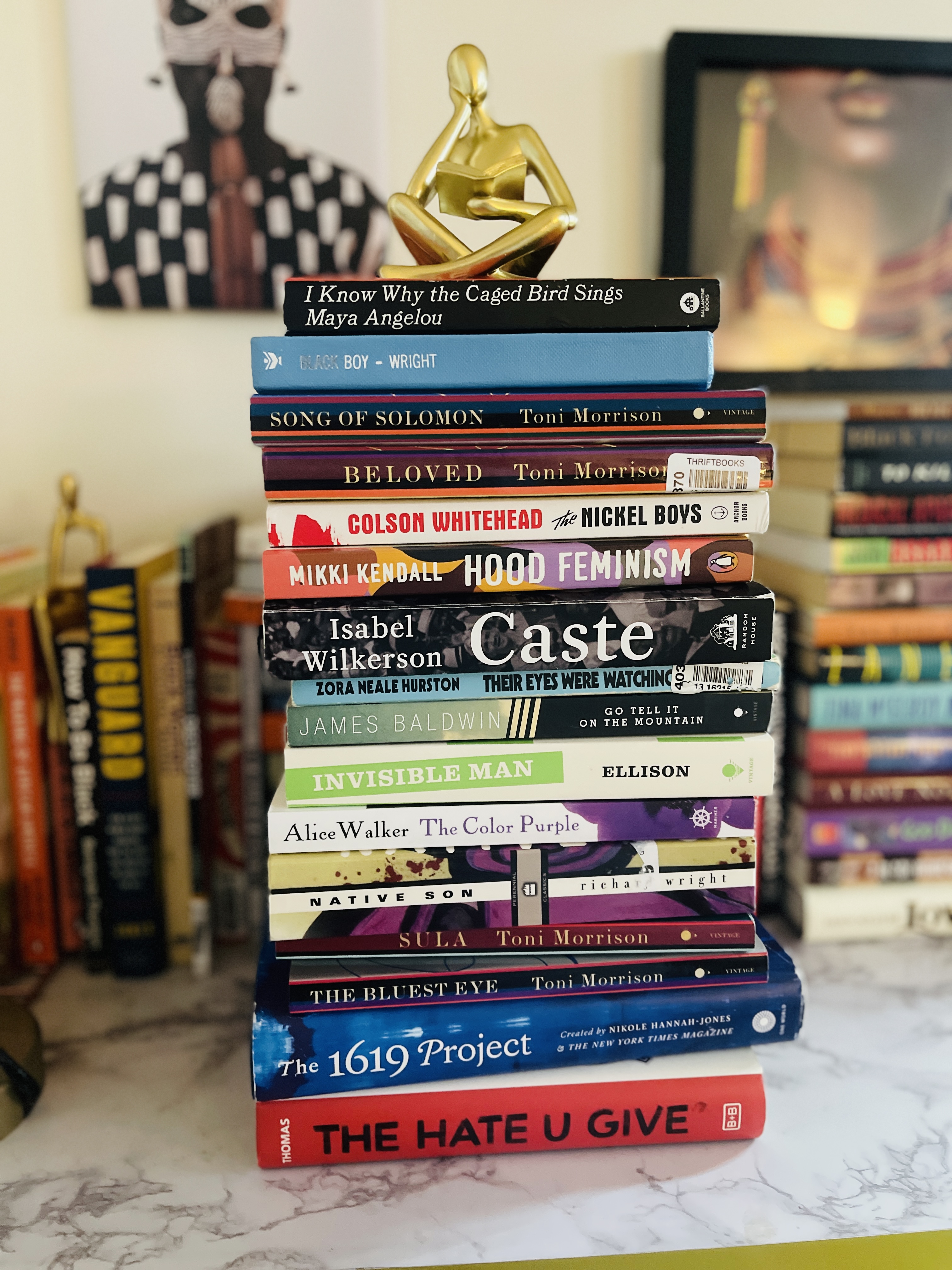

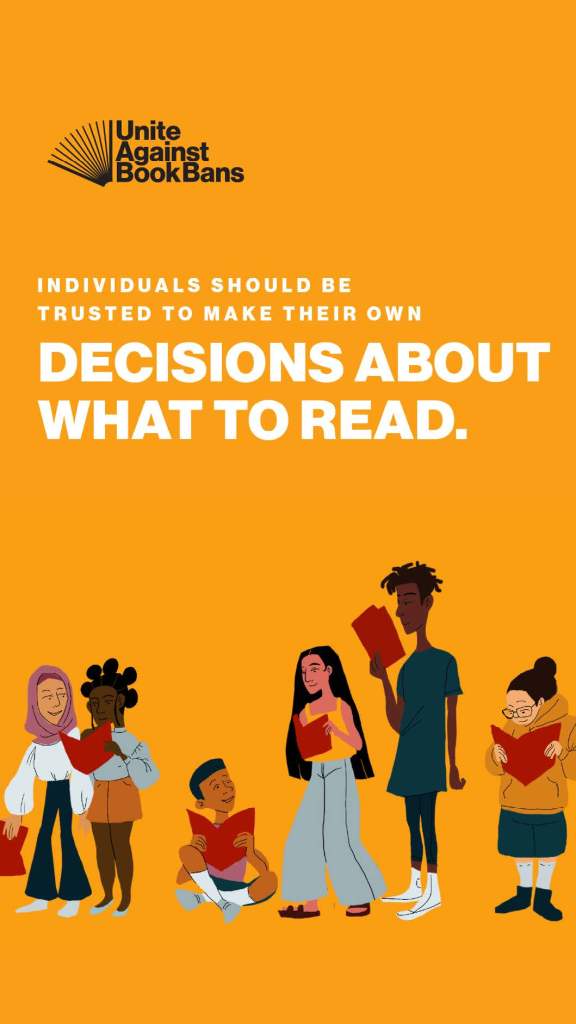
Since 1982, the United States has devoted a planned week to shed light about the growing occurrences of books being banned in schools and libraries across the country. Banned Books Week, isn’t a celebration, it is a collective stand for our right to free and open access to ideas, especially those that challenge us to look beyond the surface and think more deeply.
As a new blogger, I’ve been thinking a lot about my role in this. I’ve decided that every year, Banned Books Week on my blog will have a specific focus: amplifying the voices of Black authors whose stories have been silenced through bans and challenges.
The disproportionate banning of books by Black authors is, at its core, an attempt to control a narrative. It is deeply rooted in a reluctance to confront the full, unvarnished truth of the Black experience in America. To hold these books in our hands is to accept an invitation to understand truths that are often painful, but essential.
As independent readers, we have the power, and the freedom to accept that invitation. We can choose to embrace these stories with open minds and open hearts.
To kick off this commitment, I’m not just writing, I’m putting books directly into your hands. I’m gifting a banned book to six lucky readers! (Details on how to enter are at the end of this post).
Here are just a few of the powerful Black authors and books that have been consistently targeted:

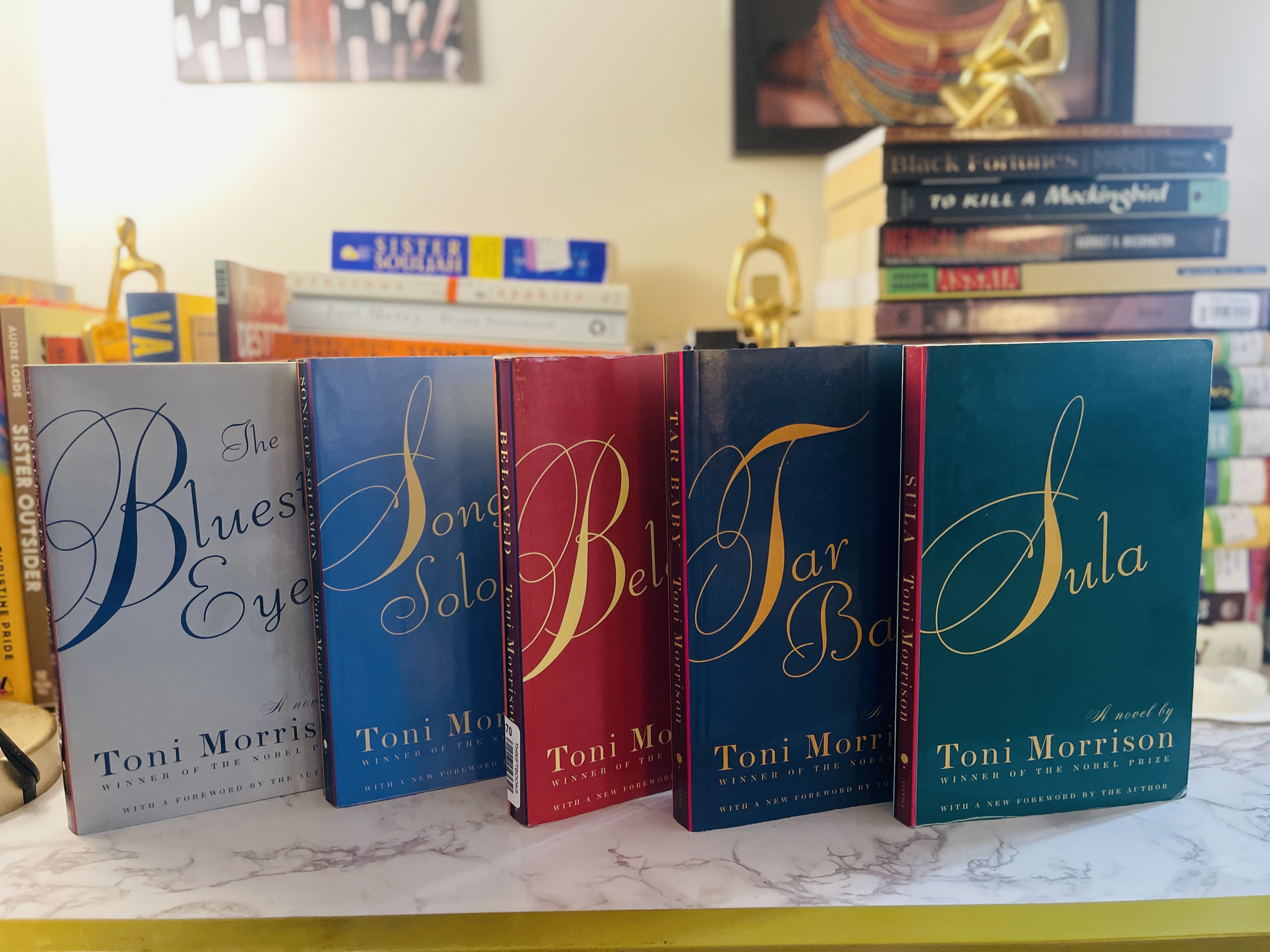
- Toni Morrison: A Nobel and Pulitzer Prize laureate, and perhaps the most iconic banned Black author. For decades, her profound explorations of history and identity have been met with challenges. Key banned works include The Bluest Eye, Beloved, Song of Solomon, Sula, and Tar Baby.
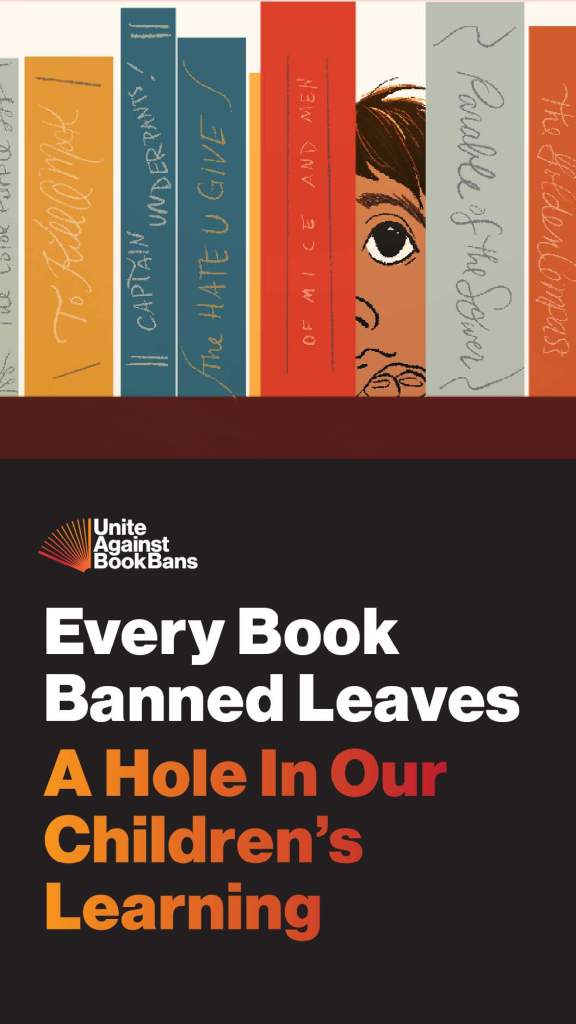
- Angie Thomas: Her powerful debut novel, The Hate U Give, landed on banned lists almost immediately after its 2018 publication for its unflinching look at police violence and racial injustice.
- Colson Whitehead: His devastatingly accurate novel, The Nickel Boys, which won the Pulitzer Prize, has been challenged for its depiction of the abuse at a real-life reform school.
- Tiffany D. Jackson: A leading voice in young adult fiction, multiple of her gripping thrillers have been challenged, including Allegedly, Monday’s Not Coming, and Grown.
- Richard Wright: A testament to how long this fight has been waging, his seminal works Native Sonand the memoir Black Boy are still challenged today, over eighty years after publication.
For Black authors, a book ban is a double-edged sword. It already can be a struggle to get authentic stories past the gates of major publishers, who may worry that stories centered on the Black experience aren’t “relatable” enough. A ban further limits their reach, often forcing authors to choose between the indie route or diluting their narratives to appease a mainstream, often white, sensibility.
This very struggle was brilliantly and satirically captured in Percival Everett’s novel Erasure—a book I highly recommend for anyone who wants to understand the pressures Black artists face.
This Banned Books Week, let’s make a conscious choice to seek out, share, and celebrate these vital stories. Let’s ensure that the effort to silence these voices only makes us listen more intently.
Interested in receiving one of the six banned books that I’m giving away? Drop a comment below telling me what banned book you’d love to own and read by a Black author. Every person who comments will be entered into the giveaway.
Thank you for stopping by! I hope you enjoyed this read!




Leave a Reply